
What Is an SSD in Computer Hardware?
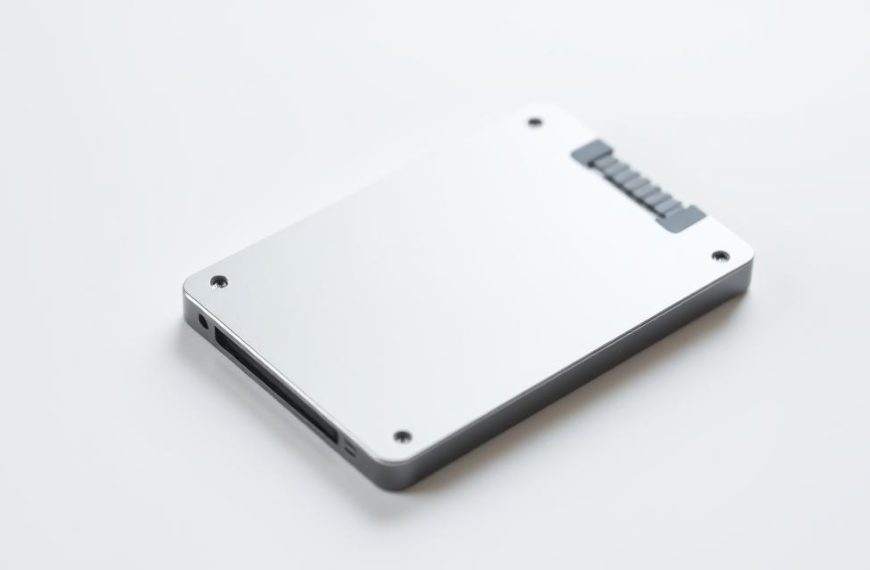
Solid-state drives, or SSDs, are non-volatile storage devices that use solid-state flash memory. Unlike traditional hard disk drives (HDDs), they have no moving parts, which makes them more durable and faster. Key components include a flash controller and NAND memory…


Blog

How Long Do Cryptocurrency Transfers Take?
Bitcoin transactions are known for their decentralized nature, but the time they take can vary. On average, a Bitcoin transaction takes between 10 minutes to…
Computer Hardware: A Short & Simple Answer
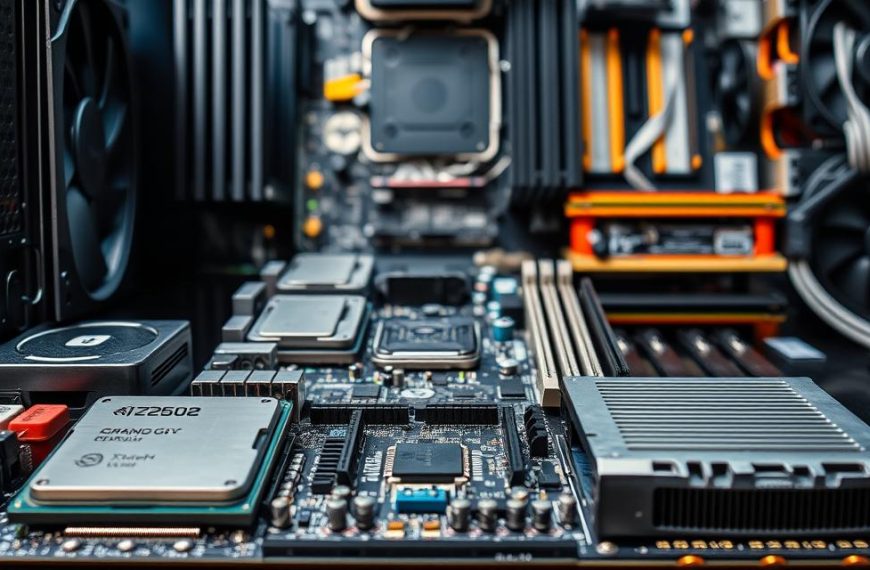
At the core of every computing system lies computer hardware, the physical components that make digital operations possible. These hardware components work together to process,…
Do You Need a DVD Drive in a Gaming PC?
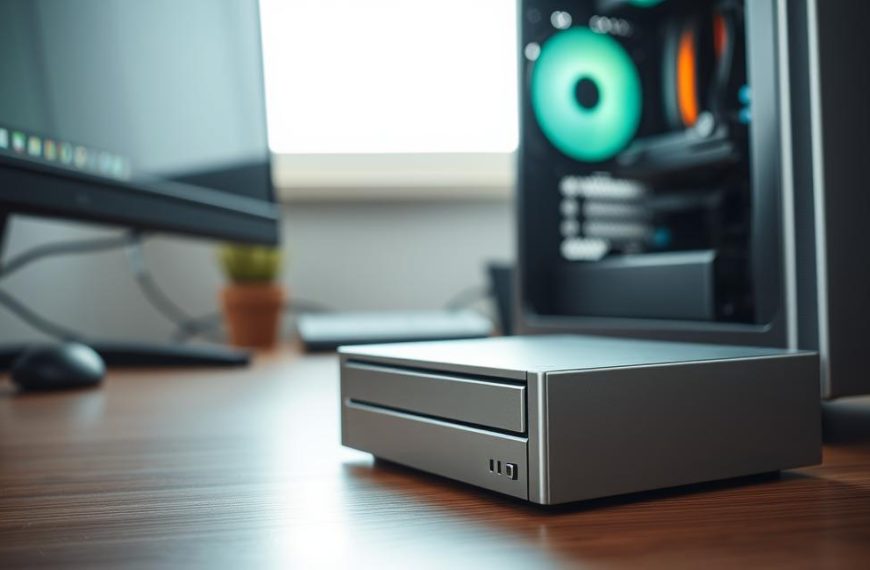
The world of gaming has seen a dramatic shift in how games are stored and accessed. Gone are the days of cartridges and discs as…

What to Look for When Trading Cryptocurrency
The cryptocurrency market is known for its extreme volatility, offering both high-risk and high-reward opportunities. Unlike traditional assets, crypto prices can swing dramatically within hours,…

Where to Buy Cryptocurrency in the USA
Investing in crypto has become increasingly accessible in the United States, thanks to a variety of reliable platforms. These platforms offer unique features tailored to…
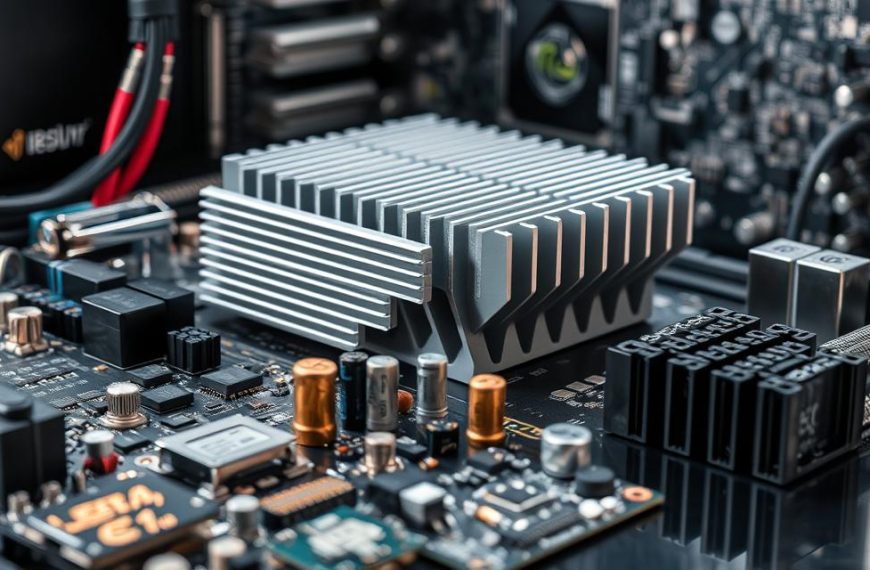
What Does “Hardware” Mean in a Computer?
Computer hardware refers to the physical, tangible parts of a system that users can interact with. These devices include everything from keyboards and monitors to…

What Are Computer Network Operations?
In today’s digital age, computer network operations (CNO) play a vital role in safeguarding modern ecosystems. Defined by the triad of attack, defense, and exploitation,…
What Is an SSD in Computer Hardware?
Solid-state drives, or SSDs, are non-volatile storage devices that use solid-state flash memory. Unlike traditional hard disk drives (HDDs), they have no moving parts, which…
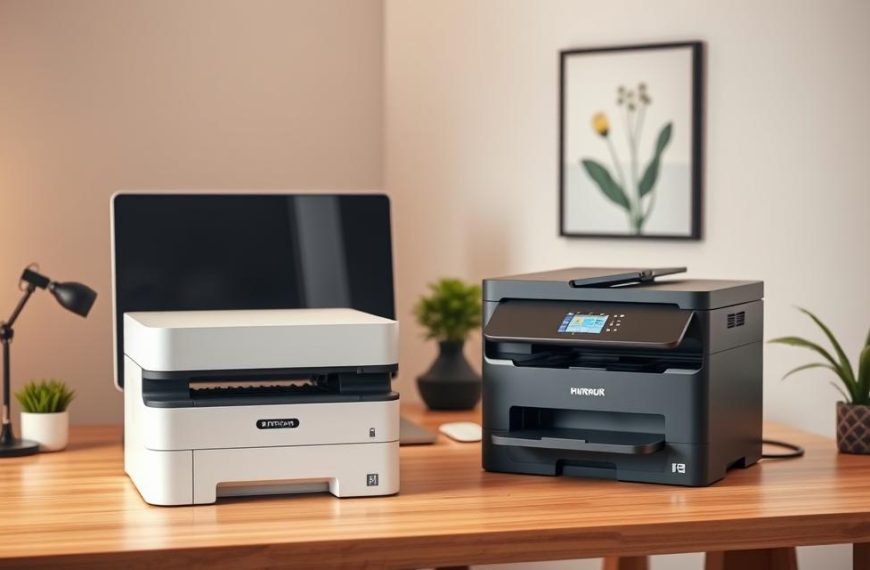
How to Connect a Printer to a Computer via Network
Setting up a printer across different operating systems can be tricky. Many users face challenges when trying to establish a seamless connection between their devices.…

Latest Stories
What to Look for When Trading Cryptocurrency
The cryptocurrency market is known for its extreme volatility, offering both high-risk and high-reward opportunities. Unlike traditional assets, crypto prices can swing dramatically within hours, making it essential for beginners to understand the dynamics. At…
Computer Hardware: A Short & Simple Answer
At the core of every computing system lies computer hardware, the physical components that make digital operations possible. These hardware components work together to process, store, and manage data, enabling devices to perform tasks efficiently.…
How to Connect a Printer to a Computer via Network
Setting up a printer across different operating systems can be tricky. Many users face challenges when trying to establish a seamless connection between their devices. Whether you’re using Windows or macOS, the process often involves…
What Is an SSD in Computer Hardware?
Solid-state drives, or SSDs, are non-volatile storage devices that use solid-state flash memory. Unlike traditional hard disk drives (HDDs), they have no moving parts, which makes them more durable and faster. Key components include a…
